Figarland: The Whimsical Blackletter for Enchanting Designs
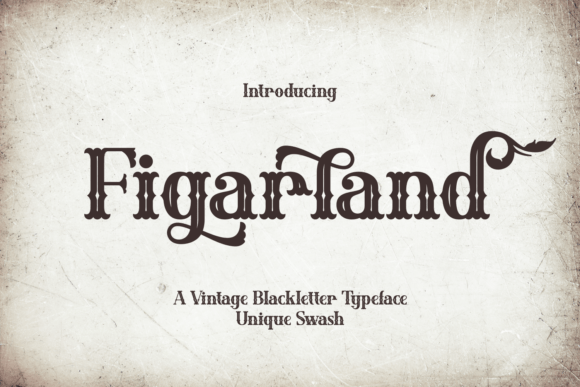
There’s a particular magic in typefaces that refuse to be ordinary. They don’t just sit on a page; they perform. Figarland is one such performer. It’s a whimsical vintage blackletter typeface, but that description only scratches the surface. Imagine the sturdy, architectural bones of classic gothic letterforms—then watch as they unfurl into playful swashes and ornate flourishes. It’s a font that feels both ancient and freshly imagined, like a well-loved storybook brought to life. For designers and creators, this isn’t just another display font; it’s a creative font with a distinct personality, ready to inject fantasy and charm into a wide array of projects.
Where the Whimsy Works Best
Figarland’s strength lies in its ability to command attention while maintaining a handcrafted, almost magical quality. This makes it exceptionally suited for projects where a strong first impression and a touch of narrative are key. Think about logo design for a boutique fantasy game studio, a specialty tea brand, or an artisanal chocolate shop. The font’s ornate curves become part of the brand’s story. In packaging design, it can transform a product into an artifact—perfect for gourmet goods, craft spirits, or luxury cosmetics that want to evoke a sense of timeless elegance with a twist.
Beyond physical products, Figarland shines in the digital realm. It’s a fantastic choice for social media graphics that need to stop a scroll, for YouTube channel art, or for podcast cover art that hints at the content’s tone. Bloggers and content creators in niches like fantasy literature, tabletop gaming, historical fashion, or even gourmet cooking can use it for featured images or chapter headings to create a cohesive, immersive experience. In editorial design, it’s not for body text, but for magazine titles, book covers, or pull quotes, it adds immense visual interest and sets a specific mood instantly.
The Practical Side of a Fantasy Font
Choosing a font as distinctive as Figarland requires a bit of strategy. It’s a premium font, which usually means it comes with a more thoughtful design, extensive character sets, and often multiple styles or weights. Before you commit, evaluate your project’s fit. Is the core message about whimsy, tradition, craftsmanship, or fantasy? If the answer is yes, you’re on the right track. If the project demands clean, utilitarian minimalism, this probably isn’t the tool for the job.
One of the most critical steps is font pairing. Figarland, with its high level of ornamentation, needs a partner that can step back and provide balance. A clean, geometric sans serif font is often a perfect counterpart for body text or secondary information, ensuring overall readability. Alternatively, a simple, classic serif font can complement the vintage feel without competing for attention. The goal is to create clear visual hierarchy—Figarland for the headline or focal point, and a more subdued font for the supporting text.
Always test the font in context. How does it look at the size you intend to use? Does the spacing (kerning) feel right in your specific word or phrase? Many design assets like this include alternate characters, ligatures, or stylistic sets. Exploring these can help you customize the look further. Finally, for any commercial use—from a client’s brand identity to merchandise—ensure you have the correct commercial license. This protects both you and the font creator.
Crafting Cohesive Brand Identity
When integrated thoughtfully, a typeface like Figarland does more than decorate; it communicates. It tells your audience something about your brand’s personality before they read a single word. It suggests a commitment to quality, a sense of imagination, and a willingness to embrace a unique modern typography aesthetic. This can significantly enhance brand perception and recognition. A bakery using it on its menu and signage isn’t just selling pastries; it’s selling an experience. A fantasy author using it on their book cover is making a promise about the world inside.
The key is consistency. Use Figarland strategically across your brand identity—on your website headers, business cards, product tags, and social media templates—to create a unified and memorable impression. It becomes an engagement tool, drawing people into your world because it feels cohesive and intentional. While it’s not suited for every single application, used in the right places, it elevates your project from merely functional to truly captivating, blending the structure of the past with the creative spirit of the present.